
Kota Festival Turns Township Food into Jobs and Business Opportunities
JOHANNESBURG – For thousands of young people, food vendors, creatives and small business owners, the Jozi Kota Festival is being positioned as more than a day of music, food and entertainment.
The festival returns to the Nasrec Expo Centre on 3 October, with organisers expecting more than 20,000 people to attend an event that aims to show how township culture can create real economic opportunities.Presented by Goldex Events and powered by Albany, the festival is expected to generate more than R35 million in economic activity in Johannesburg and create more than 5,000 employment opportunities before, during and after the event.
The opportunities will range from event production and catering to security, transport, cleaning, technical services, marketing, customer service and entertainment.For small businesses, the festival will also provide access to thousands of potential customers in one location.Kota vendors, food businesses, fashion and lifestyle brands, craft traders and other small and emerging businesses are expected to form part of the festival marketplace.For many of these entrepreneurs, the value of the event goes beyond the sales made on the day.
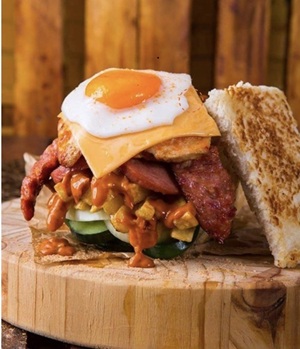
The festival provides an opportunity to introduce businesses to new customers, build brand awareness and create relationships that could lead to future opportunities.At the centre of this is the so-called “Kotapreneur” – an entrepreneur who has turned one of South Africa’s best-known township foods into a source of income and a growing business.The organisers say the economic benefits are also expected to extend beyond Nasrec.
With visitors travelling from different parts of Gauteng and other provinces, businesses such as hotels, restaurants, petrol stations, transport operators, retailers and tourism-related enterprises could benefit from increased activity.The festival is part of the wider Kota Festival Tour, which aims to take the concept beyond Johannesburg and eventually establish the kota as a proudly South African cultural product with international appeal.
Goldex Events CEO Xolani Machele said the festival was designed to demonstrate that major cultural events can contribute to economic participation.“The Jozi Kota Festival is about much more than putting people on a stage and selling tickets. We want people to see the economic power of a festival and the opportunities that can be created when thousands of people come together around culture,” said Machele.
He said the target of more than 5,000 job opportunities and more than R35 million in economic activity showed what could be achieved when entertainment, tourism, entrepreneurship and culture were brought together.The festival has received support from the Gauteng Department of Sport, Arts and Culture, with organisers also acknowledging partners including Albany, Capitec, Nyama Choma, Daily Sun and Base Pulse.
Entertainment will remain a major attraction, with live performances, DJs, food, brand activations and family experiences planned for the day.The event will be hosted by Somizi Mhlongo and Napo Modise.Luvo Limba said the festival’s 2026 programme was also creating opportunities for influencers and content creators.“Kota Festival is more than just a food and entertainment experience. Through our 2026 tour, we are creating platforms for influencers, brands and communities to grow together while celebrating the culture and spirit of the Kota,” said Limba.
The Kota Festival Influencer Tour Campaign will see influencers travel to different festival events, producing content and working with brands.The organisers say the Johannesburg event is expected to attract influencers from across South Africa, as well as Eswatini and Lesotho.Beyond the October event, the organisers have already announced dates for the 2027 Kota Festival Tour, signalling plans to expand the platform further across South Africa.
Their long-term ambition is summed up in the phrase “Kota 2 The World” turning a popular township meal into a wider symbol of South African creativity, entrepreneurship and culture. For those behind the festival, the real measure of success will therefore not only be the number of people who attend, but also the number of entrepreneurs, workers, artists and small businesses able to benefit from the platform.


