Department Strengthens Trauma-Informed Care for GBV Survivors
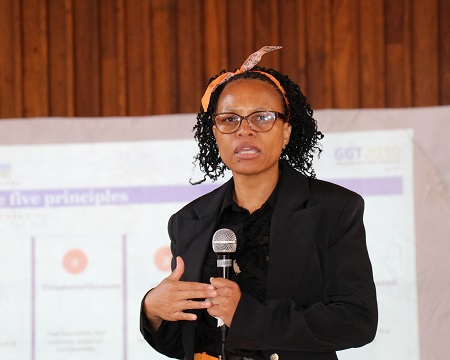
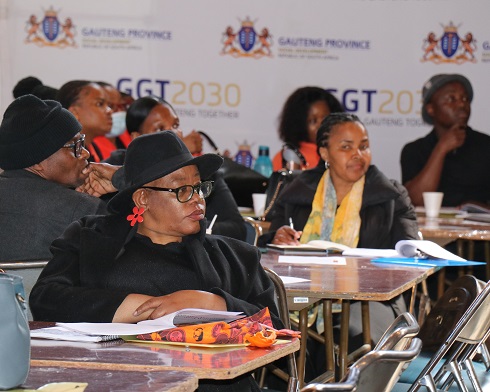
The Gauteng Department of Social Development is strengthening its response to Gender-Based Violence and Femicide (GBVF) through a Conference on Trauma-Informed Care for officials working under the Victim Empowerment Programme (VEP).The conference, held at the Springs Civic Centre in the Eastern Corridor, brought together Social Workers and key professionals to enhance their capacity to provide effective psychosocial and therapeutic support to victims of GBV and their families.
The initiative forms part of the Department’s mandate to oversee the implementation of Pillar 4 of the National Strategic Plan on Gender-Based Violence and Femicide (GBVF) 2020–2030, which focuses on response, care, support and healing.Speaking at the conference on Thursday, Director for Victim Empowerment Programme (VEP) and Social Crime Prevention, Khanyisile Mathebula said Pillar 4 seeks to ensure that survivors of GBVF receive appropriate, sensitive and victim-centred services that support immediate containment while facilitating medium- to long-term healing and recovery. “Through VEP, the Department works closely with key stakeholders across the criminal justice and health sectors. These include the Department of Justice and Constitutional Development, National Prosecuting Authority (NPA), South African Police Service (SAPS), Department of Community Safety and Department of Health,” she said.
These cluster departments play an important role in identifying and referring victims to the Department’s GBV Social Workers and funded Non-Profit Organisations providing services at Thuthuzela Care Centres (TCCs), Victim Friendly Rooms (VFRs), Men’s Programmes, shelters, Magistrate Courts and other service points. “The programme is guided by key legislation, including the Domestic Violence Act 116 of 1998 and the Criminal Law (Sexual Offences and Related Matters) Amendment Act 32 of 2007, as well as national policy frameworks governing women’s empowerment, crime prevention and the provision of psychosocial support services to victims of GBV,” said Mathebula.
She added that central to the conference is the National Policy on the Provision of Psychosocial Support Services to Victims of GBV, which recognises the significant impact that trauma and social factors can have on a victim’s thoughts, emotions and behaviour. “The conference comes after the Department’s monitoring of the victim empowerment programme and identified a need to further strengthen therapeutic and psychosocial support services provided by Social Workers at various service sites across the province.” “The training aims to equip Social Workers with practical knowledge and skills to provide effective counselling and trauma-informed interventions to victims and their families,” said Mathebula.
Among the key areas being explored was the understanding of trauma, different types of traumas including domestic violence and sexual offences, how trauma manifests, and the various therapeutic approaches that can be implemented by Social Workers. The programme also focuses on therapy for individual victims, as well as couples and families, with particular attention to understanding how trauma affects family relationships and dynamics.
Psychologist and Occupational Therapist, Dr Marcia Zikhali supported the conference, bringing specialised expertise to strengthen the capacity of Social Workers to respond to the complex emotional, psychological and social needs of GBV survivors. The training further emphasises the importance of establishing effective referral systems to ensure that victims can access appropriate assistance from the Criminal Justice System and other community resources. It also highlighted the need for victims to be interviewed in private, safe, conducive and comfortable environments, while ensuring that Social Workers themselves receive adequate support and debriefing to reduce the risk of burnout and secondary trauma.
A key principle underpinning the conference was that the victim and their family should be active participants in the healing process. “Victim centred services are essential in promoting healing, restoring dignity and empowering survivors to rebuild their lives. Psychosocial support therefore seeks not only to address the negative emotions associated with trauma, but also to instil hope, resilience and a sense of psychosocial well-being,” added Zikhali.
The Department remains committed to strengthening the implementation of programmes and interventions that place the needs, safety and healing of victims and their families at the centre of service delivery. Through initiatives such as the Trauma-Informed Care Conference, the Department continues to build the capacity of frontline officials while strengthening partnerships across the Victim Empowerment Programme to ensure that survivors receive compassionate, professional and effective support throughout their journey towards healing.