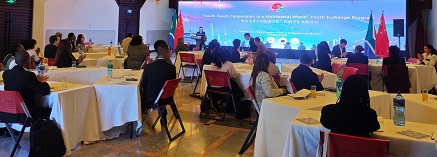
Youth Dialogue Strengthens China-South Africa Ties at Pretoria Exchange Programme
The Chinese Embassy in South Africa, together with the University of Pretoria and the South African Youth Association of Global Affairs, hosted a youth exchange programme focused on “South-South Cooperation in a Multilateral World”, bringing together students, diplomats and academics for discussions on global cooperation, trade and the future of Africa-China relations.
Held on May 7 in Pretoria, the event attracted about 60 participants from several South African universities, including the University of Johannesburg, University of the Witwatersrand and the University of South Africa. Young diplomats from the Chinese Embassy also participated in the programme, which focused on strengthening dialogue between China and South African youth at a time of growing global uncertainty.
Addressing delegates, Wu Peng stressed the importance of unity among countries of the Global South amid rising geopolitical tensions and economic challenges. “The more complex and turbulent the international landscape becomes, the more imperative it is for the Global South to strengthen unity and self-reliance,” Ambassador Wu said. He also highlighted China’s recent decision to grant zero-tariff treatment to 53 African countries that maintain diplomatic relations with Beijing, saying the move would create new opportunities for trade and economic cooperation between China and Africa.
According to Wu, the policy is expected to inject “strong momentum” into China-South Africa relations by expanding market access for African exports and encouraging deeper economic collaboration. The ambassador further emphasized the role of young people in shaping future diplomatic and economic partnerships between Africa and China. “Youth represent the future of China-Africa relations,” he said. “With the opportunities presented by the 2026 China-Africa Year of People-to-People Exchanges, young people from both countries can deepen friendship and contribute towards building a closer China-Africa community with a shared future.”
Director Gerda van Dijk from the School of Public Management and Administration at the University of Pretoria described the gathering as an important platform for engagement between future leaders and institutions. “This event creates an opportunity for dialogue, learning and strengthening ties between emerging leaders and established institutions,” Van Dijk said.
Meanwhile, SAYAGA President Lungile Magagula encouraged young Africans to take a more active role in international affairs and global governance. “Young people must be active architects of the systems that govern our shared future,” Magagula said. “It is important for youth to play a meaningful role in defending and advancing multilateralism.” The programme included interactive discussions between Chinese diplomats and South African students on China’s governance model, South-South cooperation and the impact of the new zero-tariff policy on African economies.
Many students attending the exchange said the discussions provided deeper insight into the growing partnership between China and Africa and opened new perspectives on international cooperation. Participants also expressed optimism about future collaboration opportunities in areas such as trade, education, innovation and cultural exchange. The event comes as China and African nations continue expanding diplomatic, economic and educational partnerships, with youth engagement increasingly seen as central to sustaining long-term cooperation between the two regions.