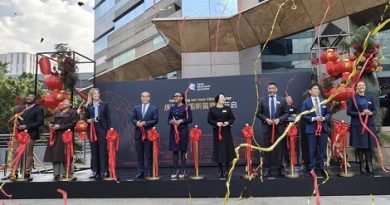
Chinese Embassy in Pretoria Marks 80th Anniversary of World War II Victory with Overseas Chinese Community
By Thembi Moyo
The Chinese Embassy in South Africa has brought history and community together with a symposium marking the 80th anniversary of victory in the Chinese People’s War of Resistance Against Japanese Aggression and the World Anti-Fascist War. The gathering, held in Pretoria on 10 September, drew more than 50 members of the Chinese community and underscored both the enduring lessons of wartime sacrifice and the importance of overseas Chinese in strengthening bilateral ties.
Chinese Ambassador Wu Peng led the commemoration, describing the war as not only a struggle for national survival but also a defining chapter in modern Chinese history. Quoting President Xi Jinping, Wu recalled it as “a great war fought with tenacity and valor,” one in which the united front, led by the Communist Party of China, enabled ordinary people to defend their homeland with extraordinary courage.
Wu reminded attendees that the contributions of overseas Chinese extended far beyond China’s borders, with communities in South Africa playing a role in supporting the resistance effort. Their participation, he said, demonstrated how solidarity from the Chinese diaspora formed part of the global fight against fascism.
This year also marks the 80th anniversary of Taiwan’s return to China, which Wu emphasized as an essential outcome of the post-World War II international order. He called on the community to continue defending the historical legacy of victory, to reject attempts to distort wartime history, and to tell the story of China’s sacrifices and achievements with clarity and pride.
Looking to the present, the ambassador urged the overseas Chinese community to draw strength from this legacy while actively engaging with South African society. “Safeguard the fruits of victory, tell China’s story well, and promote friendship between China and South Africa,” Wu said. He encouraged community members to comply with local laws, contribute to economic and cultural life, and foster mutual understanding between the two nations.
The event also featured a photo exhibition titled Remembering History, Cherishing Peace, which presented rare images from the war years and highlighted the global resonance of China’s struggle against fascism. Attendees also viewed short films, including archival footage from the 3 September military parade and oral testimonies by South African-based Chinese who supported the war effort.
Participants engaged in a spirited discussion, pledging to respond to President Xi’s call to “draw strength from history and forge ahead.” Many expressed a desire to contribute not only to China’s national reunification and rejuvenation but also to the growing partnership between China and South Africa.
Historians note that South Africa itself played a notable role in the Allied war effort, with thousands of South Africans fighting in Europe, North Africa, and the Middle East. For some participants, linking China’s experience to South Africa’s wartime sacrifices underscored the shared global nature of the struggle against fascism and the continuing value of international solidarity today.
For many in attendance, the symposium was not simply a commemoration of the past but a bridge to the future a reminder that the lessons of resilience, unity, and cooperation forged in war can inspire deeper ties between China, South Africa, and the wider world in a time of shifting global challenges.