South African Artists Bring Local Stories and Culture to the Global Stage in Hong Kong
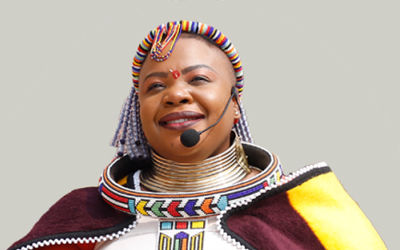
Jamakazi Bazana and Bongi Kotta Ramushwana were among the South African artists represented at the Hong Kong Performing Arts Expo 2026, highlighting the role of music, poetry and storytelling in building cultural connections between South Africa and China.
South African creativity has taken its place on an international platform, with two local artists participating in the Hong Kong Performing Arts Expo 2026, which concluded on 13 October after five days of performances, discussions and networking.
Opera and jazz singer Jamakazi Bazana and African music singer, poet and storyteller Bongi Kotta Ramushwana represented South African artistic talent at the event, which brought together performers and arts professionals from different parts of the world.
Their participation highlighted the importance of giving South African artists opportunities to share their work beyond the country’s borders while engaging with different cultures and exploring opportunities within the international performing arts industry.
For artists whose work draws on music, poetry, heritage and storytelling, international platforms offer opportunities to introduce audiences to the experiences, traditions and creativity that shape South African society.
The expo, organised by the Hong Kong Arts Development Council under the theme Passion in Motion, attracted more than 2,000 artists, arts groups, presenters, industry professionals and students from 60 countries and regions across five continents. According to the organisers, the event recorded more than 39,000 visits.
The gathering provided a meeting point for artists and cultural organisations to exchange ideas, explore partnerships and build relationships that could lead to future collaborations.
For South Africa, such engagements are important in raising the international profile of local talent and creating opportunities for creative professionals to connect with global audiences.
Bazana, an artist from Lusikisiki in the Eastern Cape, has described her participation in the expo as an important step in her artistic journey. In an interview published after the event, she said the experience allowed her to engage with different artistic perspectives and explore possibilities for collaboration.
She also highlighted the importance of representing South Africa’s cultural diversity and ensuring that the country’s stories, traditions and artistic expressions reach international audiences.
The participation of Bazana and Ramushwana also reflects the potential for cultural engagement to complement the diplomatic relationship between South Africa and China.
While the two countries cooperate in areas such as trade, investment and economic development, cultural exchanges provide another way for their people to connect and learn about one another.
Music and storytelling can communicate experiences that go beyond language, allowing audiences to encounter different histories, identities and ways of life.
Hong Kong’s position as an international centre for cultural exchange offers a platform for these connections. The expo’s programme included performances, presentations, discussions and networking activities designed to encourage cooperation among arts professionals.
The challenge beyond such events is to turn international exposure into lasting opportunities for South African artists. Partnerships with overseas cultural institutions, invitations to future performances and access to wider audiences can help creatives develop their careers and expand the reach of their work.
For South African performers, taking their work abroad is not only about individual recognition. It also creates opportunities to share the country’s cultural heritage and demonstrate the diversity of its creative industries.
The participation of Bazana and Ramushwana at HKPAX 2026 therefore offers an example of how the arts can contribute to international engagement, cultural understanding and closer people-to-people relations between South Africa and China.
As the global creative sector continues to connect artists across borders, ensuring that South African voices are heard on international platforms remains an important part of promoting the country’s talent and cultural identity.