China and Gauteng Join Forces to Develop Young Football Talent Through Schools
Soccer coaching initiative launched at Queens High School aims to nurture future football stars while promoting education, discipline and teamwork among learners.
By Thembi Moyo
Johannesburg- The Chinese Consulate-General in Johannesburg has reaffirmed its commitment to strengthening relations between China and South Africa through education and sport following the launch of a school soccer coaching initiative at Queens High School in Johannesburg.
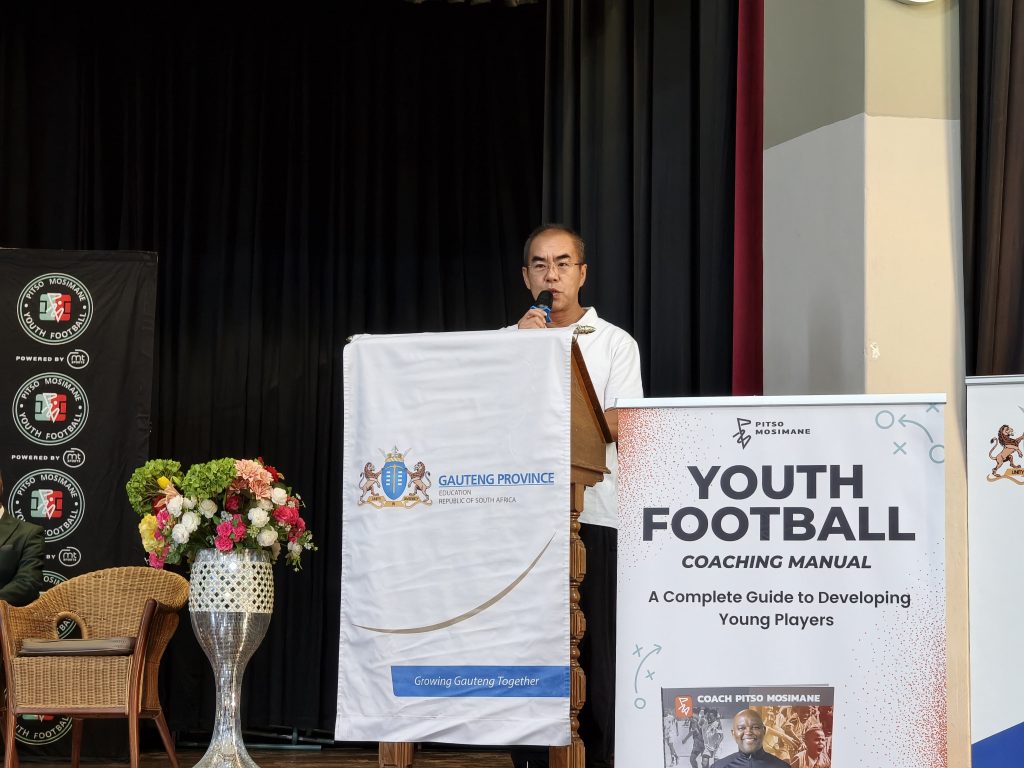
Pan Qingjiang, Consul-General of the People’s Republic of China in Johannesburg, said the initiative demonstrated the two countries’ shared commitment to friendship, education and empowering young people through sport. Addressing guests at the launch, Qingjiang highlighted three important areas of cooperation: strengthening the longstanding friendship between China and South Africa, supporting education and young learners, and using sport to create opportunities for the next generation. “Education is the cornerstone of every nation, and young people are the future of our country,” he said. Qingjiang said the Chinese Consulate-General was committed to working with the Gauteng Department of Education and other stakeholders to create an environment in which learners could thrive.
He also referred to the words of former South African president Nelson Mandela, who famously said that sport has the power to change the world and unite people across different backgrounds. Qingjiang expressed hope that the coaching initiative would make a lasting contribution to learners’ development, helping them build stronger bodies and minds while remaining focused on their education.
The initiative recognises the importance of providing learners with opportunities beyond the classroom. Through structured soccer coaching, schools can help children develop physical fitness, discipline, confidence and teamwork while discovering their sporting potential.
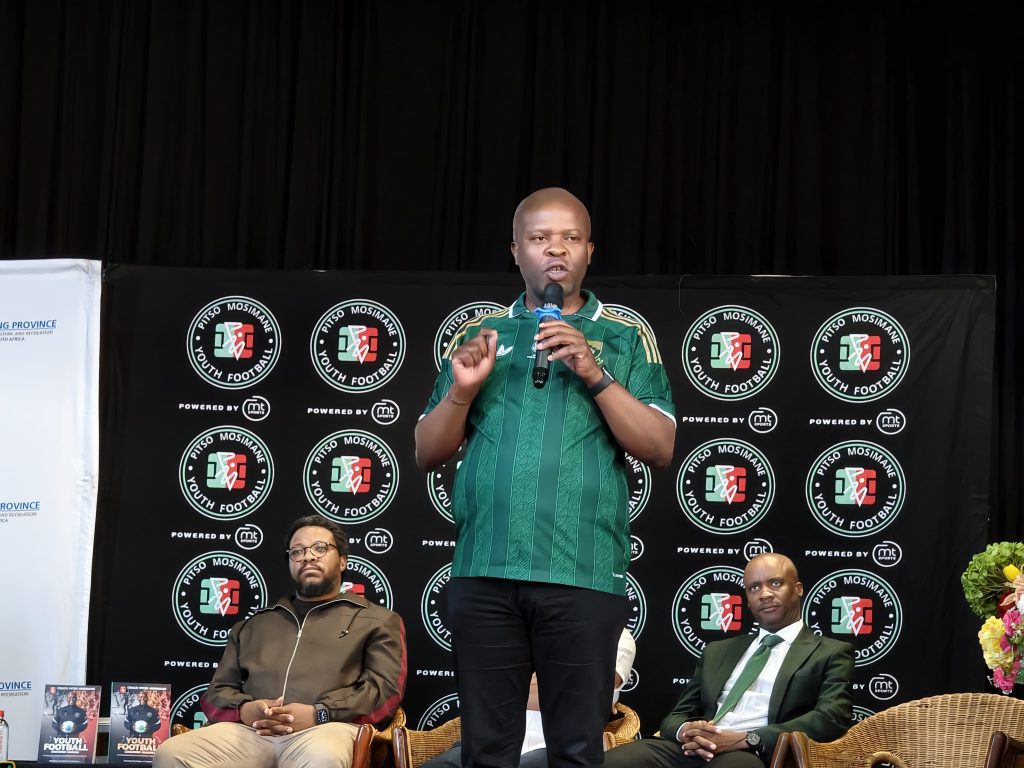
Lebogang Maile, Gauteng MEC for Education and Sports, Arts, Culture and Recreation, highlighted the importance of investing in schools as the foundation for developing future football stars and responsible citizens. Maile said South Africa needed to start developing young footballers early rather than waiting until they reached professional level. Schools and communities, he explained, should be central to building a sustainable football development system.
He called on school leadership, educators, coaches, parents and communities to work together to create opportunities for learners to participate in sport. The MEC also highlighted the importance of making better use of school facilities and ensuring that learners had opportunities to participate in sporting activities after school hours.
He said sport should be taken seriously as part of learners’ development, as it can help young people build positive habits, stay active and develop a sense of responsibility. Representing the Pitso Mosimane Foundation, football coach Pitso Mosimane highlighted the importance of building a strong foundation for South African football through schools and proper coaching education.
Mosimane said developing talented players required more than identifying children who could play football. It also involved providing qualified coaches who understood how to teach young players, nurture their abilities and guide them through different stages of their sporting journeys. He emphasised the need for patience, consistency, long-term planning and cooperation between government, schools, communities and sporting organisations.
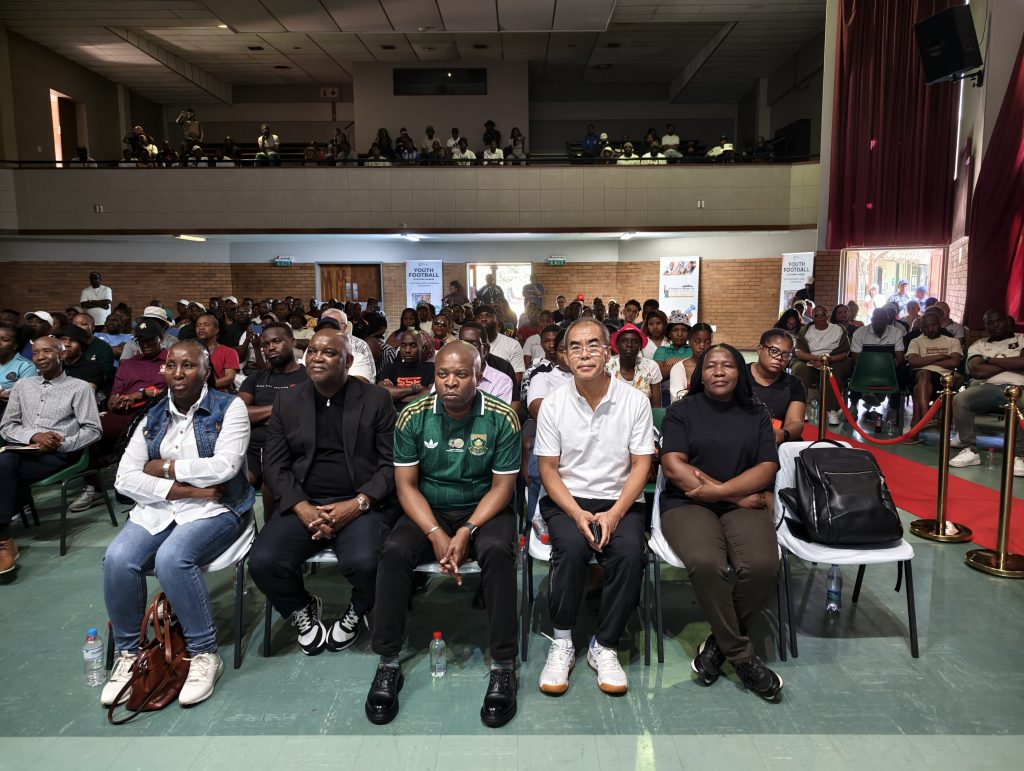
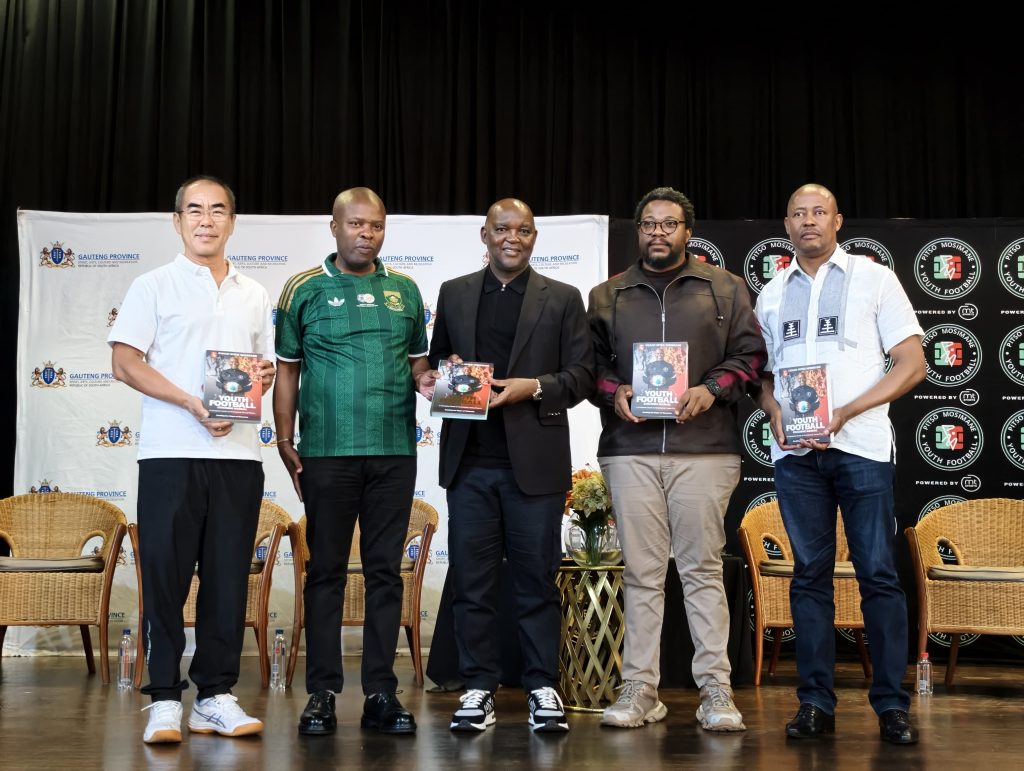
Mosimane also pointed to the value of learning from countries that have invested in football development systems, including coaching education and structured opportunities for young players. The launch at Queens High School brought together education officials, school leaders, coaches and other stakeholders committed to developing young talent and strengthening school sport.
Beyond producing professional footballers, the initiative aims to give learners access to positive activities that can contribute to their personal growth and well-being. For South African football to grow, investment must begin at grassroots level, where children first discover their love for the game. By bringing education and sport closer together, the initiative seeks to give young learners the guidance, resources and encouragement they need to pursue their ambitions, both on and off the football field.
Ultimately, its success will depend on continued cooperation among government, schools, coaches, communities and international partners to ensure that opportunities created through the programme translate into lasting benefits for learners.