Music as Diplomacy, Chinese Consul Backs Youth Cultural Ties at Wits Choir Gathering
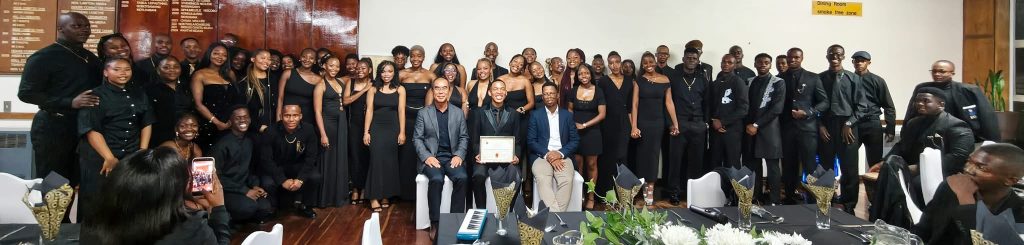
Johannesburg- A night of song at the University of the Witwatersrand turned into a quiet exercise in cultural diplomacy last week, as Pan Qingjiang used an appreciation dinner to spotlight the growing role of youth and the arts in strengthening ties between China and South Africa.
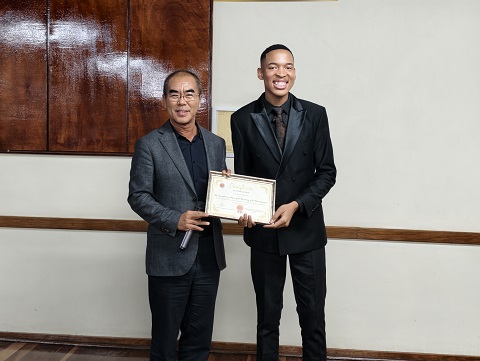
Hosted by the SunnyHeimer Choir on April 17, the event brought together about 100 attendees, including university leadership, choir members and diplomatic representatives. But beyond the formalities, the evening carried a deeper message: that cultural exchange especially through music remains one of the most accessible and enduring ways to connect nations. In his address, Pan reflected on the evolving relationship between the Chinese Consulate General in Johannesburg and the student choir, describing it as a “living example” of how grassroots partnerships can complement official diplomacy. “Music has no national boundaries, and culture builds a bridge of hearts,” he told the audience, urging young performers to see themselves as ambassadors of friendship.
His remarks come at a time when both countries are placing renewed emphasis on people-to-people engagement, particularly among the youth. Framing the moment within the broader China-Africa Year of People-to-People Exchanges, Pan challenged the choir to use its platform not just for artistic expression, but for building lasting international connections. “You have the power to deliver harmony beyond the stage,” he said, “and to deepen understanding between our nations.”
The choice of venue was equally symbolic. Wits University, long known for its diversity and intellectual activism, has increasingly become a hub for international collaboration. Events like these highlights how institutions of higher learning are being drawn into the sphere of soft diplomacy, where influence is shaped as much by shared experiences as by policy agreements.For the SunnyHeimer Choir, the evening was also a moment of recognition. Choir representatives expressed appreciation for the Consulate’s continued support, noting that such partnerships have opened doors for performance opportunities and cultural exchange initiatives. “This relationship has helped us grow not only musically, but globally,” one choir member said.
Tshegofatso Mogaladi echoed this sentiment, emphasizing the importance of sustained collaboration. “We are grateful for the support we’ve received and are committed to strengthening these ties,” he said. “Our students benefit immensely from exposure to different cultures, and music provides a powerful platform for that.”
While the evening celebrated past cooperation, it also pointed toward the future. As geopolitical and economic ties between China and South Africa continue to evolve, cultural initiatives like this serve as a reminder that diplomacy is not confined to boardrooms and summits. Instead, it often finds its most authentic expression in shared human experiences like a choir singing across languages and borders. In a world increasingly defined by division, the message from Wits was simple but resonant: harmony, both musical and diplomatic, begins with listening.