MEC Nkomo-Ralehoko Celebrates New Child and Youth Care Workers Who Graduated Through the Recognition of Prior Learning Programme
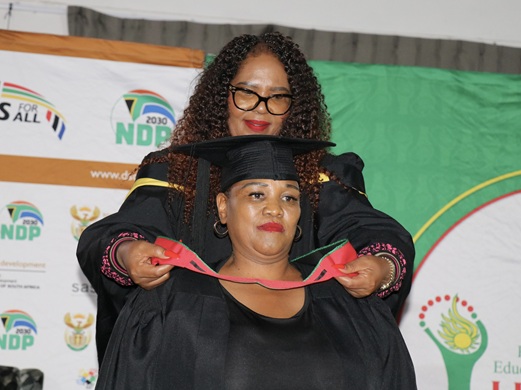
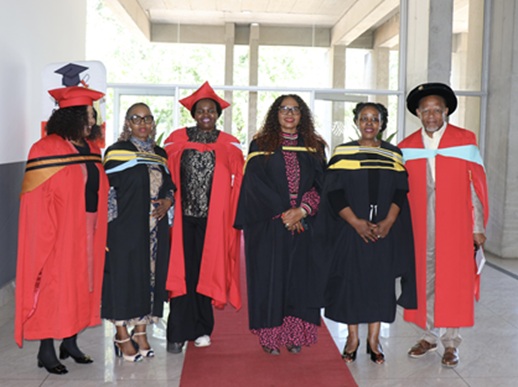
The Gauteng Department of Social Development has welcomed the graduation of three hundred and sixty-six (366) community caregivers who have obtained an NQF Level 4 qualification in Child and Youth Care Work through the Recognition of Prior Learning (RPL) Programme.
The qualification, provided through the Health and Welfare Sector Education and Training Authority (HWSETA), recognises the knowledge, skills and practical experience that community caregivers have gained through years of working with children, young people and vulnerable families. Gauteng Social Development MEC, Nomantu Nkomo-Ralehoko, described the graduation ceremony as an important achievement in strengthening child and youth care workforce.
MEC Nkomo-Ralehoko was speaking during the graduation ceremony held at Anew Hotel in Benoni, Ekurhuleni, on Thursday, held in partnership with the National Department of Social Development and HWSETA. “This is a very important occasion because we are recognising people whose knowledge has been built not only in classrooms, but through years of practical service to children and young people. The Recognition of Prior Learning acknowledges that experience is itself a source of knowledge. Many of you have spent years caring for vulnerable children, supporting young people, responding to difficult circumstances and helping to restore hope. Today, that experience is being formally recognised,” said MEC Nkomo-Ralehoko.
The MEC said the significance of the programme extends beyond the attainment of a qualification, as it strengthens the capacity of caregivers to provide quality services to children, young people and families.“This graduation is not only about receiving a certificate; it is about strengthening your ability to serve. It is about recognising the valuable contribution you have already made while equipping you with a formal qualification that can open doors for further professional development and career advancement,” she said.
MEC Nkomo-Ralehoko also acknowledged the families and loved ones who supported the graduates throughout their journey. “To the families and loved ones of our graduates, we also recognise you. Every achievement has a support system behind it, and today we celebrate this milestone together,” said the MEC.
One of the graduates, Mpho Senokoane, a former foster child from the Sedibeng Region, described the opportunity as a significant turning point in his life. Senokoane said his journey into Child and Youth Care Work began when he became involved with Dirang Ka Kagiso, a Non-Profit Organisation supported by the Gauteng Department of Social Development, where he initially volunteered as a community caregiver. “Today, this marks an important shift in my life, and I am glad I made my family proud,” said Senokoane.
The graduates underwent a rigorous process that included selection, induction, evidence gathering and assessment. They were required to provide evidence demonstrating that they possess the knowledge, skills and practical experience required for the NQF Level 4 Child and Youth Care Work qualification. Through this process, the graduates were able to have their existing competencies formally assessed and recognised, creating a pathway from years of practical experience to a nationally recognised qualification.
Community caregivers, also known as Child and Youth Care Workers, play an important role within South Africa’s child protection and social development system. They provide support to children, young people and families, particularly those who are orphaned or vulnerable, living in difficult circumstances, or heading households without the support of adults. The Gauteng Department of Social Development continues to work with Non-Profit Organisations to respond to a range of social challenges, including HIV and AIDS, child abuse, gender-based violence and femicide, substance abuse and poverty.
Many people working in these organisations have accumulated substantial practical knowledge and skills through years of direct service to communities, despite previously not having formal qualifications. The RPL programme therefore provides an important bridge between experience and formal education, enabling experienced community caregivers to receive recognition for competencies they have already acquired while creating opportunities for further learning and professional growth.
The graduation of the 366 Child and Youth Care Workers marks another step towards strengthening the capacity of the social development sector and ensuring that children and vulnerable communities receive support from a skilled, recognised and professional workforce. The Department congratulates all the graduates and encourages them to continue using their newly acquired knowledge and skills to make a meaningful difference in the lives of children, young people and families across Gauteng.