Beyond the Trip Wits Students Return from China with a New Vision for South Africa’s Future
At a powerful reflection’s seminar in Johannesburg, diplomats, academics and students highlight how global exchange is shaping a generation ready to innovate, collaborate and lead.
By Thembi Moyo
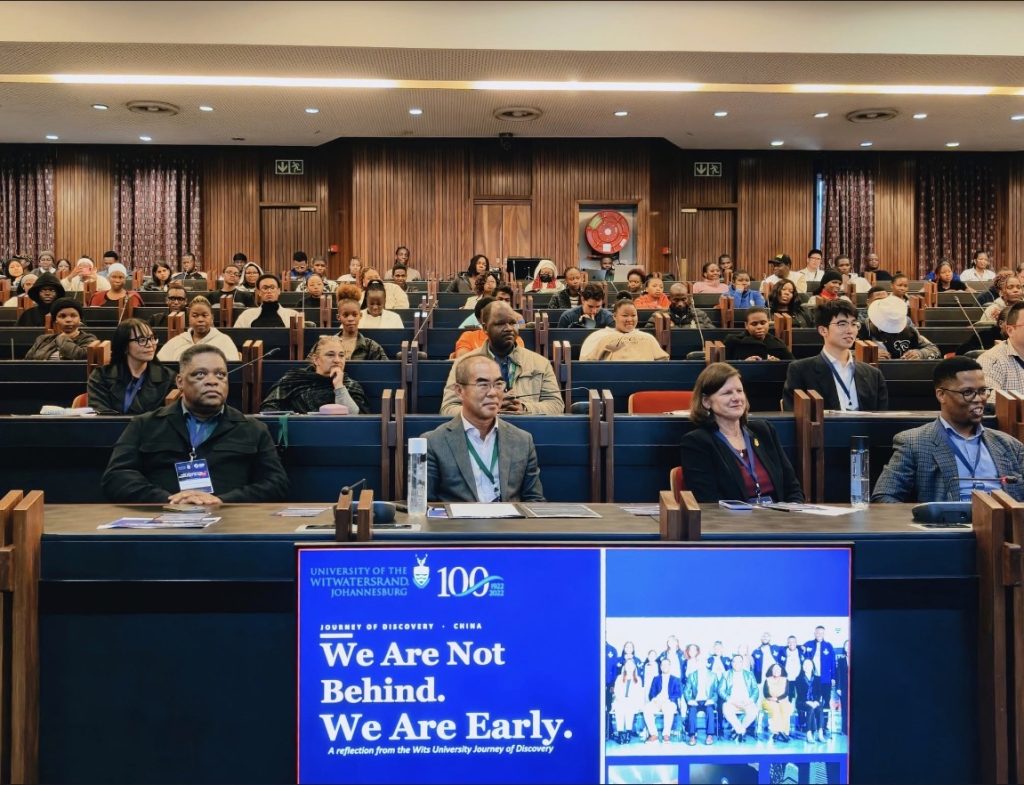
Johannesburg 15 April 2025 -A seminar at the University of the Witwatersrand this week became more than a reflection on travel it turned into a compelling conversation about the future of young leaders in a rapidly changing world. Hosted in Johannesburg, the “Journey of Discovery in China” reflections seminar brought together students, university leaders and diplomats to unpack the impact of a recent exchange programme to China. What emerged was a shared message global exposure is no longer a luxury, but a necessity for shaping perspective, innovation and leadership.
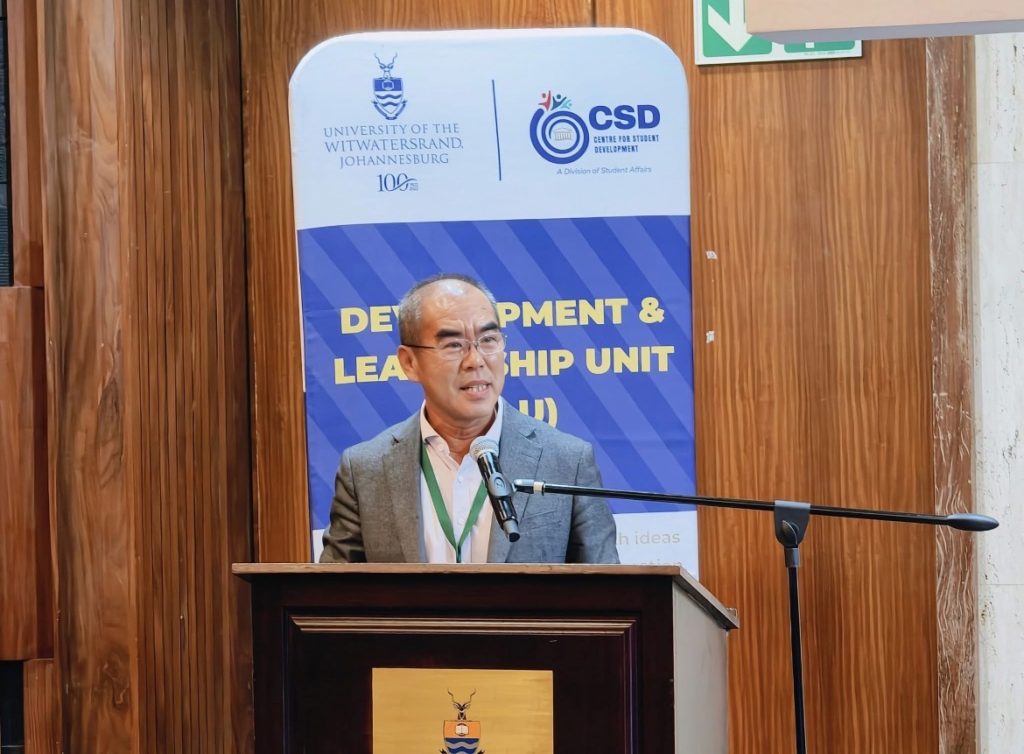
Pan Qingjiang said the programme reflects the growing importance of youth exchange in strengthening ties between China and South Africa. “Seeing is believing,” he told the audience. “Personal experience is essential to building mutual understanding, especially among young people. We hope more students will have the opportunity to study or travel in China in the future.” He emphasised that the Chinese Consulate remains committed to expanding such opportunities in partnership with Wits, describing young people as “vital bridges” between nations.
Pan also outlined China’s development trajectory, pointing to innovation, green development and people-centred growth as key pillars of its future. He highlighted advances in areas such as robotics, electric vehicles and renewable energy, noting that cooperation with South Africa in science, technology and manufacturing is already gaining momentum. “In today’s world, openness remains the hallmark of progress,” he said, adding that new policies including expanded market access for African exports will deepen economic cooperation between China and the continent.
Deputy Vice-Chancellor Lynn Morris described the initiative as transformative not only for participants, but for the broader student community. “It feels like we’ve all been to China,” she said. “The impact is not just on the 10 students who travelled. Through their stories, they are bringing that experience back to all of us.” Morris noted that the programme offers more than exposure it reshapes how students see the world and their place in it. “Experiences like this are life changing. They shift your perspective, they challenge how you think, and they even make you reflect differently on South Africa and what we can do better.”
She also pointed to lessons in how China has strategically invested in higher education and innovation over the past three decades. “There is a clear link between universities, industry and economic growth. That intentional approach is something we can learn from.” Opening the seminar, Dean of Student Affairs Jerome September underscored the depth of the experience for students, describing it as far more than a simple overseas visit.
“This is not just a trip it is a journey of growth,” he said. “From applying for passports and visas, to navigating a new culture, to stepping out of your comfort zone every stage shape who you become.” He revealed that interest in the programme has surged, with more than 1,600 students expressing a desire to be part of the experience. “That level of interest speaks to the ambition and curiosity of our students,” he said. “It shows a generation eager to engage with the world.”
September encouraged students to actively participate in university life, noting that leadership, involvement and contribution are key to being selected for future opportunities. Among the most powerful reflections came from student participant Tshepiso Kola, who spoke about how the experience reshaped not only her understanding of China, but also her perspective on South Africa. “The most extraordinary thing China did for me was not what it showed me about China,” she said. “It was what it helped me see about home.”
She described arriving in China expecting to be amazed by technological advancement but instead finding something unexpectedly familiar. “The problems they are solving water, energy, infrastructure are the same challenges we face,” she said. “The difference is that they have designed solutions around those constraints.” Kola argued that South Africa’s long-standing challenges are not weaknesses, but a form of preparation. “We were not disadvantaged we were pressure-tested,” she said. “We have been learning to adapt long before the rest of the world.”
Reflecting on innovation, she noted that what stood out was not just technology, but the culture of collaboration. “In China, innovation starts with conversations. Ideas are tested, refined and built collectively. That is something we already have we just need to harness it.” Her message to fellow students was clear: the future will belong to those who can turn necessity into opportunity. “The countries that will define the next century are not those with the most resources,” she said. “They are those who understand that necessity, when met with collaboration, becomes a superpower.”
Quoting both Nelson Mandela and Mao Zedong, Pan reminded the audience of the enduring role of youth in shaping the future. Youth are like the morning sun,” he said. “They carry the hope of tomorrow.” For the students gathered in the room and the hundreds more who joined online the message was clear: what began as a journey across continents has become something far more lasting a bridge of ideas, experiences and shared purpose, stretching from Johannesburg to Beijing and beyond.