
Africa’s Products Find a Home in China as Zero-Tariff Policy Opens New Trade Opportunities
African products are increasingly finding their way into one of the world’s busiest trading markets, offering a glimpse of how stronger Africa-China economic ties could create new opportunities for producers across the continent.
During a recent visit to Yiwu City in Zhejiang Province, China, as part of an African media delegation, the growing presence of African goods in the Chinese market was brought into sharp focus.Yiwu is widely known as a major global trading hub, attracting buyers and traders from across the world. For African exporters, the city provides an important window into the scale of demand within the Chinese market.
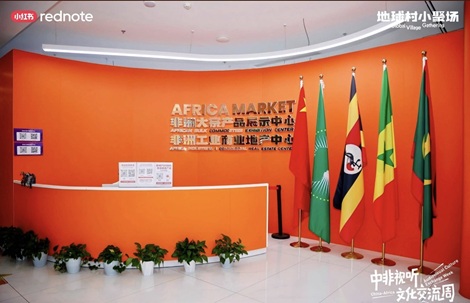
The delegation visited the African Bulk Commodities Exhibition Centre at the China Africa Building, where products from the continent are showcased alongside international commodities. Among the products attracting attention were South African wines and minerals, displayed alongside goods from other African countries.But it was a visit to the African Pavilions at the Yiwu Imported Commodities Centre that provided perhaps the clearest picture of Africa’s growing commercial footprint in China.
South African products were visible on shelves thousands of kilometres from home.For the delegation, seeing locally produced goods being marketed directly to Chinese consumers was more than a routine exhibition visit. It offered tangible evidence that African products can compete in international markets when given access to the right platforms.”I was not told about this; I saw it by myself,” the delegation member said, reflecting on the experience of seeing South African products in the Chinese market. “It showed me that South African products are globally competitive.”
The visit also highlighted the potential impact of China’s zero-tariff policy for eligible African countries that have diplomatic relations with China. The policy provides duty-free treatment for a wide range of products from qualifying countries, potentially reducing one of the barriers that African exporters face when entering the Chinese market.For agricultural producers, wine makers, manufacturers and small businesses, lower tariffs can make their products more competitive by reducing the cost associated with entering the market.
South Africa, with its established agricultural and manufacturing sectors, stands to benefit from greater market access. Wine, fresh produce, processed agricultural products, handicrafts and other locally produced goods could gain greater visibility among Chinese consumers.The significance of the policy, however, extends beyond large exporters.Small and medium-sized enterprises are often among the businesses that struggle most with the costs of international trade. Improved market access could give these businesses an opportunity to explore new customers and expand beyond traditional export destinations.
The Yiwu experience demonstrated that the opportunity is not simply theoretical. African goods are already being presented to Chinese consumers, while trading platforms such as Yiwu provide an important connection between producers and international buyers.For Africa, the challenge now is to turn market access into sustained trade.That will require African producers to understand Chinese consumer demand, maintain international quality standards, build reliable supply chains and invest in branding and marketing. Governments and trade institutions will also have an important role to play in helping smaller businesses navigate the complexities of exporting.
The message from Yiwu was nevertheless clear: there is an appetite for African products in China.As Africa and China continue strengthening their economic relationship, the shelves of Yiwu’s African pavilions offer a powerful reminder that trade can move in both directions.For South African and other African producers, the opportunity is to ensure that more products move from local factories, farms and businesses onto international shelves and stay there.The future of Africa-China trade may therefore be about more than exporting commodities. It could increasingly be about putting African brands, products and entrepreneurs directly in front of global consumers. And in Yiwu, that future is already beginning to take shape.


