Young South Africans Show How China and South Africa Are More Connected Than We Think
By Thembi Moyo
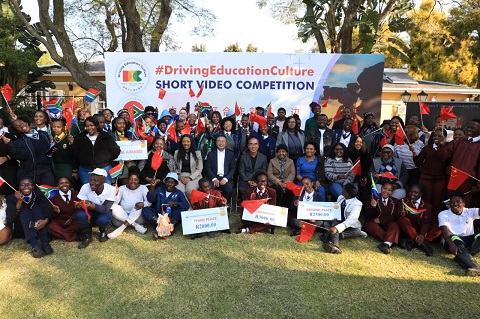
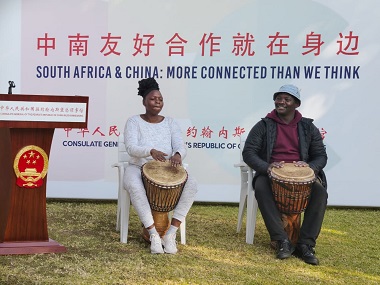
Young South Africans are using their phones and creativity to tell a bigger story about the growing relationship between China and South Africa. This was the message emerging from the fourth annual Short Video Competition hosted by the Chinese Consulate General in Johannesburg, where learners from Gauteng and the Free State were recognised for using short videos to explore the theme, “South Africa & China: More Connected Than We Think.”
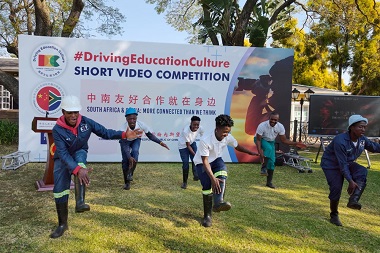
The awards ceremony was held at the Consulate General in Johannesburg on 14 August, following the launch of the competition in June as part of Youth Month and the Consulate’s “Driving Education Culture” initiative.The competition gave learners an opportunity to look beyond textbooks and traditional classroom learning, encouraging them to examine how China-South Africa relations affect everyday life.
Speaking at the ceremony, Chinese Consul General Pan Qingjiang praised the learners for their creativity, observation and understanding of the relationship between the two countries.He said the entries showed that young people were not simply learning about international relations but were actively finding ways to interpret them through their own experiences.“The entries submitted by the learners demonstrate their careful observations of social life, in-depth reflections and vivid creativity,” Pan said.For the organisers, the competition also highlighted the important role young people can play in strengthening relations between countries.
Pan said this was particularly significant as 2026 has been designated the Year of China-Africa People-to-People Exchanges and coincides with the 70th anniversary of the establishment of diplomatic relations between China and African countries.He described young people as increasingly important bridges between the two countries and said their involvement could help ensure that the friendship between China and Africa continues into future generations.
The relationship between China and South Africa has grown significantly since diplomatic ties were established nearly three decades ago. China has remained South Africa’s largest trading partner for 17 consecutive years, while Chinese companies have expanded their presence in sectors ranging from infrastructure and manufacturing to new energy and the digital economy.
According to Pan, Chinese investment in South Africa has created more than 400,000 local jobs, while South African products such as wine and fruit have gained popularity among Chinese consumers.These economic links, he said, demonstrate that the relationship is not confined to government offices or diplomatic meetings, but increasingly touches the lives of ordinary people.The competition also placed education and youth development at the centre of the relationship.
Pan noted that 2026 marks the 50th anniversary of the Soweto Uprising, when students played a defining role in South Africa’s struggle for equality and justice.He said the determination shown by South African youth during that period remains an important part of the country’s history and provides a meaningful foundation for youth exchanges between China and South Africa.The Consulate said it would continue working with education authorities, schools and other partners to create opportunities that support young people and strengthen educational and cultural exchanges.
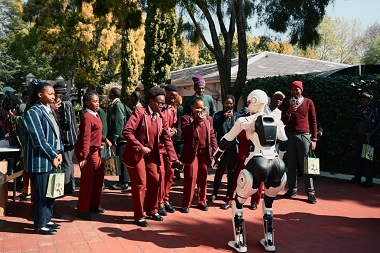
Pan also encouraged South African youth to consider opportunities to visit and study in China, describing education and people-to-people contact as important ways of building mutual understanding.The ceremony brought together education officials, teachers, parents, learners and other partners involved in the competition.Among those attending were Acting Deputy Director General of the Gauteng Department of Education Seenat Mirazi and Johannesburg North District Director Vuyi Cindi, along with Ambassador Antoinette Sithole and representatives from the University of Johannesburg’s Confucius Institute.
For the learners who took part, the competition offered more than an opportunity to win an award. It gave them a platform to tell their own stories about two countries whose relationship is becoming increasingly visible in education, trade, culture and everyday life.And, perhaps most importantly, it showed that the next chapter of China-South Africa relations may be told not only by diplomats and political leaders, but also by a generation holding a smartphone and ready to tell its story.