Soweto Launch Puts Menstrual Justice Back in the Spotlight
By Staff Reporter
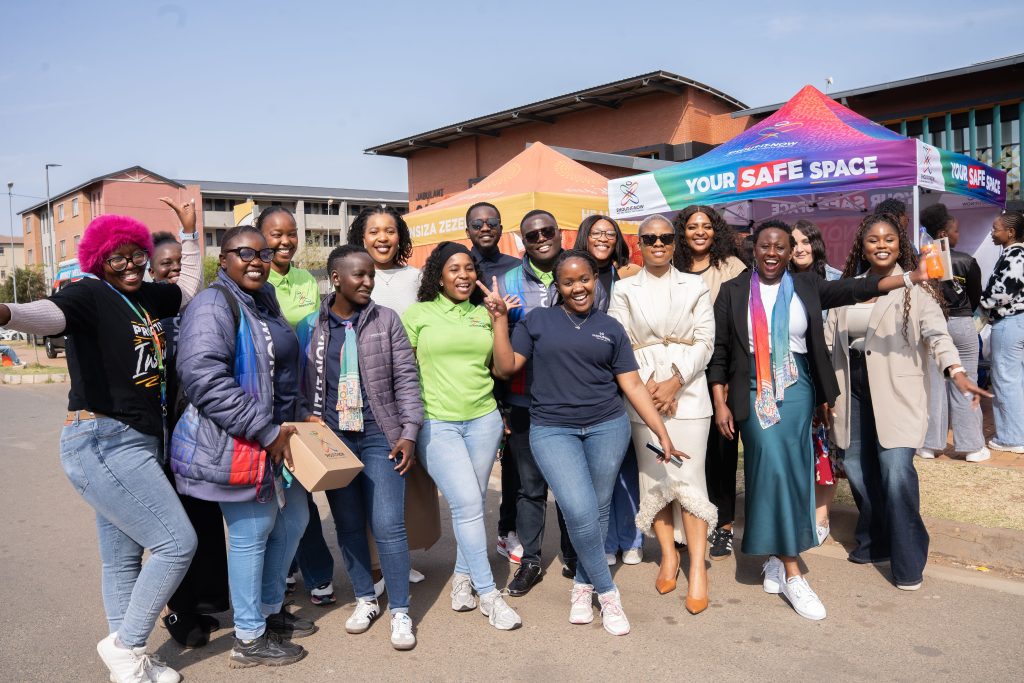
Young girls and women in Soweto are being given renewed support to manage their periods with dignity, as youth sexual and reproductive health organisation Shout-It-Now launched its Menstrual Justice Initiative in the township.
The initiative, launched as South Africa marks Women’s Month and 70 years since the historic Women’s March, is aimed at tackling period poverty, menstrual stigma and the challenges that prevent many young women from fully participating in school and community life.As part of the initiative, Shout-It-Now is rolling out 30,000 reusable period panties to girls and young women in partnership with lifestyle brand Wansati Africa and non-profit organisation Glow Movement.
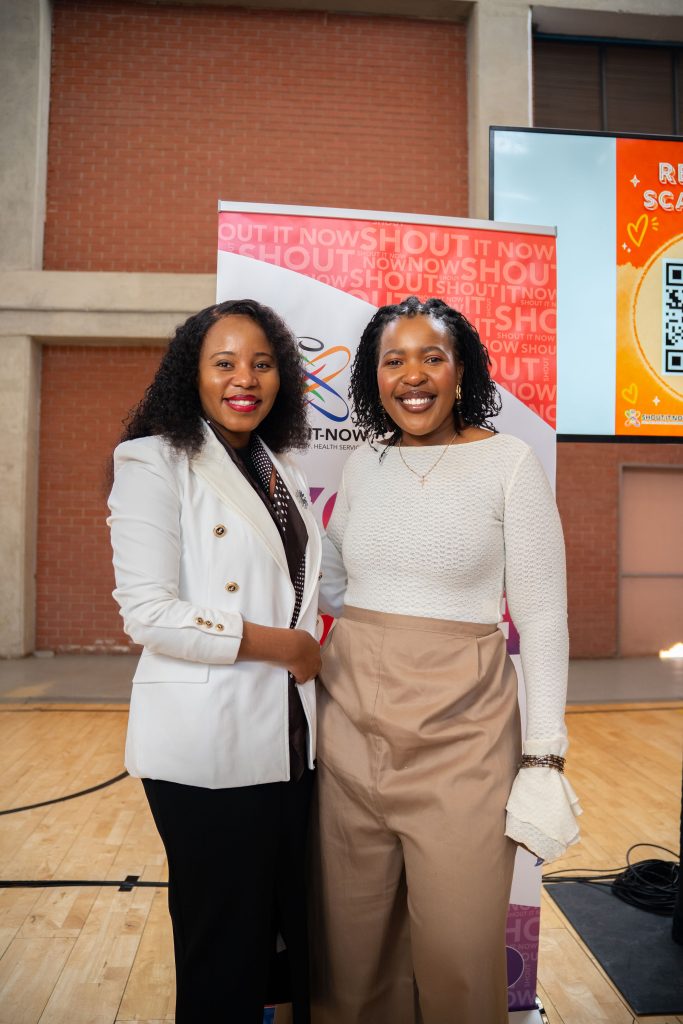
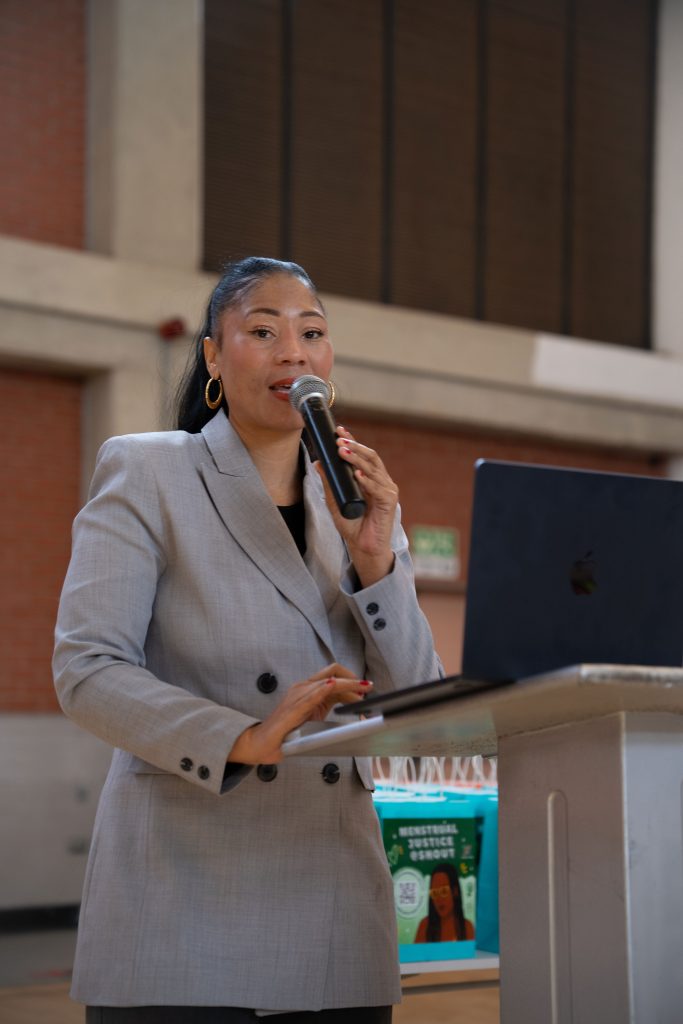
The organisation says the initiative is about much more than distributing menstrual products. It is designed to open the door to menstrual health education, honest conversations, youth-friendly healthcare and other support services that young people need to take care of their health and wellbeing.Speaking at the Soweto launch, Shout-It-Now CEO Dr Ntombifikile Mtshali said Women’s Month should also be a time to consider what freedom means for young women and girls today. “Women’s Month gives us an opportunity not only to remember the women who fought for our freedom, but to ask what freedom means for young women and girls today,” said Mtshali.
She said period poverty, inadequate sanitation and the stigma surrounding menstruation continue to affect young women, with about 30% of young girls in South Africa experiencing barriers to their education because of their periods. “Menstrual justice means ensuring that no girl has to miss out on her education, limit her ambitions or compromise her dignity simply because she is on her period,” she said.
The theme of the launch, Every Body, Every Future, reflects Shout-It-Now’s broader approach to youth health and wellbeing. The organisation believes that menstrual health cannot be separated from other challenges young people face, including access to sexual and reproductive healthcare, HIV prevention, mental health support, healthy relationships and protection from gender-based violence.
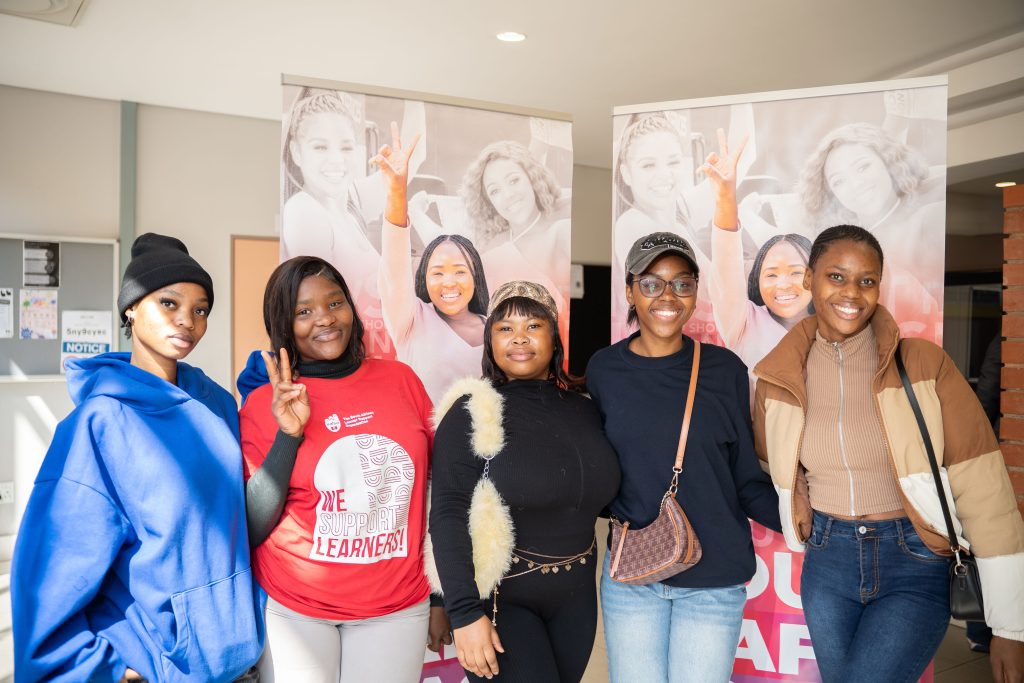
Young people attending the Soweto event were able to access a range of services alongside the menstrual health activities, including HIV testing, PrEP, contraception and counselling. For Shout-It-Now, the idea is to create an environment where young people can seek help without fear of judgement. Through community-based services, peer educators, safe spaces and digital platforms such as Chomi and Self-Cav, a free AI companion developed in partnership with the Department of Health and Audere Africa, the organisation connects young people with information and healthcare support.
Mtshali said young people’s needs are interconnected and should be addressed through programmes that respond to their lives as a whole. “A young person seeking information about their period may also need access to sexual and reproductive healthcare, HIV prevention, mental health support, information about healthy relationships or help navigating safety and gender-based violence,” she said. “These issues are interconnected, and our services need to be too.”
The initiative also aims to challenge the shame and silence that often surround menstruation. While periods are experienced by women and girls, Shout-It-Now believes that menstrual justice requires the involvement of everyone, including boys and young men, parents, teachers, healthcare workers, communities, policymakers and businesses. Mtshali said young women should not be expected to deal with menstruation quietly or alone. “It is important that we move beyond the idea that menstruation is something girls should quietly manage on their own,” she said.
Glow Movement, which focuses on menstrual health education, mentorship and public health advocacy, supported the launch by facilitating discussions designed to improve knowledge and confidence among young people. Amanda Mokoena from Glow Movement said many young women experience anxiety because they have never had an opportunity to ask questions about their bodies in a safe environment. “When young people have accurate information, a safe space to ask questions and the reassurance that what they are experiencing is normal, we can replace fear and shame with confidence,” Mokoena said.
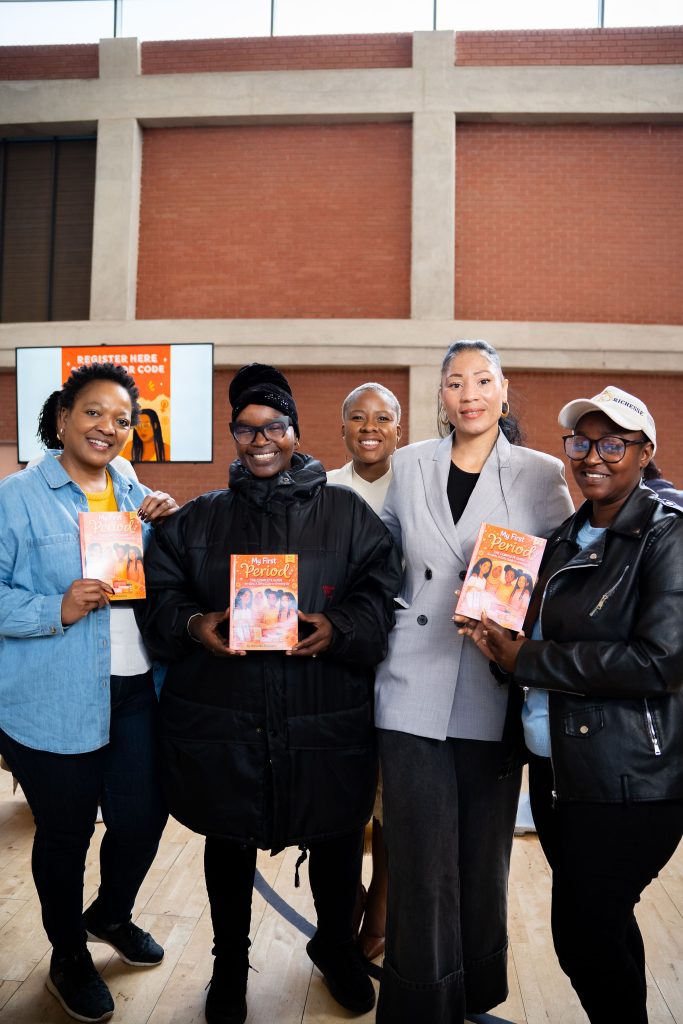
Wansati Africa assisted with the procurement of the 30,000 reusable period panties, providing young women with a more sustainable menstrual product option. Shout-It-Now hopes the initiative launched in Soweto can become a model that can be replicated in communities across South Africa. The organisation believes government departments, schools, non-profit organisations, corporates and other partners can play a role in developing long-term menstrual justice programmes.
The initiative comes as the issue of access to menstrual products and education continues to feature in South Africa’s policy discussions. In April, Parliament’s Portfolio Committee on Higher Education and Training held a colloquium on the provision of free menstrual hygiene products for girls and women. The discussions highlighted continuing challenges around access to menstrual products, safe sanitation and menstrual health education.
For Shout-It-Now, the challenge now is to turn those discussions into practical programmes that reach young people where they live. The organisation says lasting change will require more than once-off donations. Its model includes investment in menstrual products, community mobilisation, education, youth engagement and links to health and psychosocial services. Ultimately, the message coming out of the Soweto launch is that a period should never determine whether a young woman attends school, participates in her community or pursues her dreams. For Shout-It-Now, menstrual justice is about ensuring that every young person has the information, support and dignity they need to take control of their health and their future.